Smart Comfort Without Drills or Wires
Start Small, Automate Big
Lighting That Expands Rooms
Bulbs, Lamps, and Portable Strips
Swap in smart bulbs where fixtures allow, then augment with plug‑in lamps for zones a landlord’s overheads miss. Adhesive LED strips tuck beneath counters or behind headboards, expanding perceived space. Battery remotes or phone controls prevent cord tangles, and color temperatures shift moods from focused daylight to evening calm.
Battery Dimmers and Remote Pucks
Stick a battery dimmer near the bed, desk, or kitchen entry, placing control exactly where it’s needed. These small remotes create tactile consistency across mixed devices, work even if Wi‑Fi hiccups, and avoid wall modifications. Assign double‑press actions to scene recalls for delightful, effortless lighting transformations every day.
Smarter Heat With Plugs and Valves
Fan Control and Air Quality Without Wires
Security and Peace Without Holes
Entry Awareness With Tiny Magnets
Adhesive contact sensors on doors or windows send gentle pings when something opens. Use them for deliveries, airflow checks, or peace of mind while traveling. Battery life often stretches many months, and repositioning is painless, ensuring the same sensor remains useful across multiple apartments and evolving layouts.
Cameras That Mount, Move, and Respect Privacy
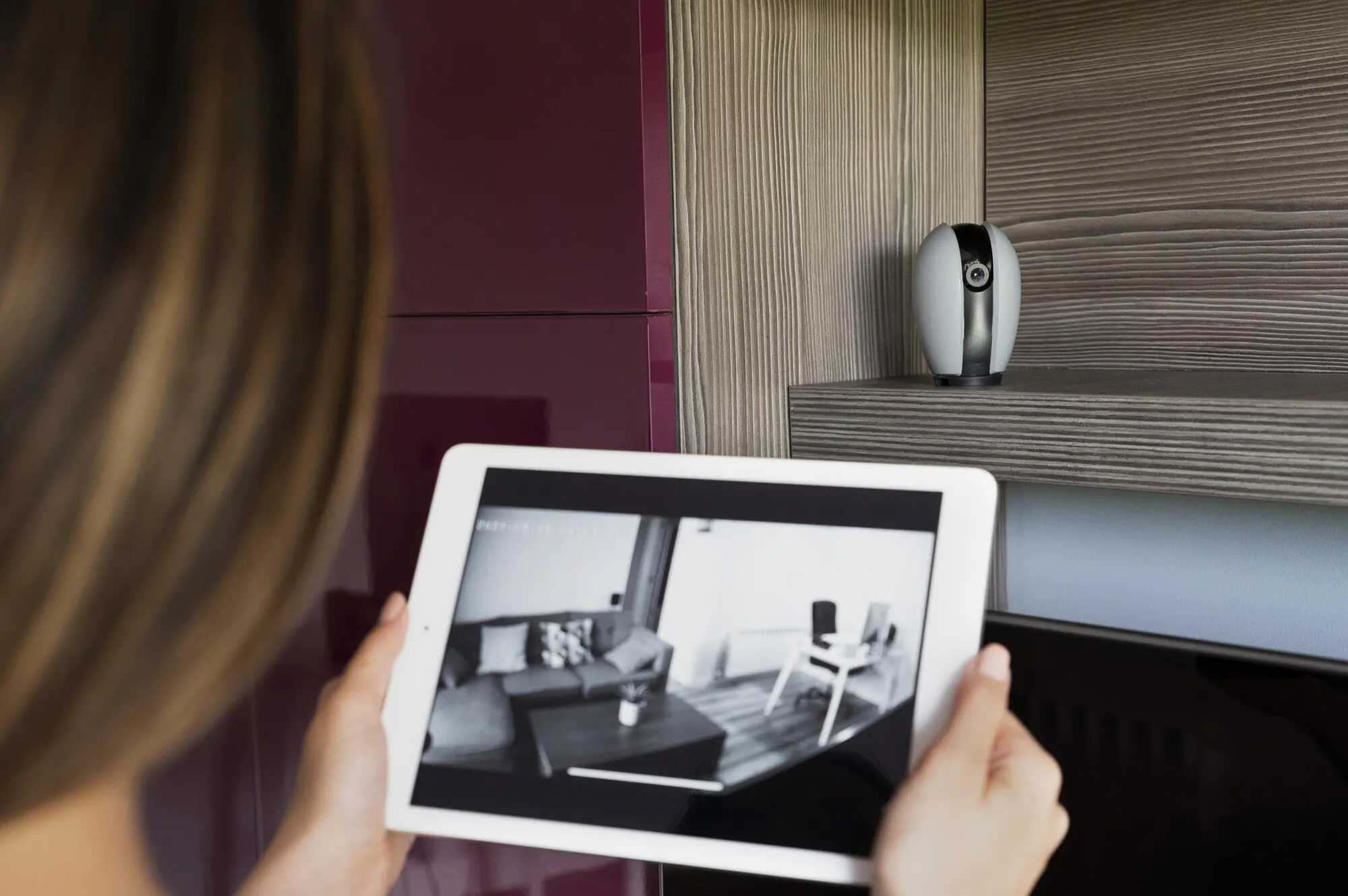
Choose battery cameras with magnetic or adhesive bases, ideally supporting privacy shutters or quick disarm modes. Peephole models preserve doors and install without tools. Position for entrances, not bedrooms, and prefer local video where possible. When moving, unmount within minutes and reattach in new homes effortlessly.
Guests, Roommates, and Shared Control Done Right
Create temporary access roles that limit what visitors can see or control. Roommates can manage shared zones while private rooms stay off‑limits. Use activity summaries rather than constant alerts, and announce automations politely to avoid startle moments, maintaining consideration in communal living where trust matters every day.
Beat Congestion With Thread and Sensible Wi‑Fi
Thread enables battery devices to communicate efficiently across rooms, dodging congested Wi‑Fi. Assign dedicated IoT SSIDs only if necessary, and avoid confusing hidden networks. Keep channels fixed and reasonable, monitor neighbor overlap, and favor devices certified for Matter to reduce brittle bridges and needless protocol juggling.
Hub Placement and Power Without Messy Cables
Set hubs or border routers on open shelves for signal clarity, using short, tidy cables routed with removable clips. Avoid metal enclosures and microwave proximity. Consider small USB power banks as temporary backups during brief outages, maintaining essential automations like locks, lights, or leak alerts without permanent infrastructure.
Offline Resilience When Internet Drops
Pick platforms and devices that execute automations locally, so lights, buttons, and sensors continue working during outages. Download critical device credentials, label remotes clearly, and stock spare batteries. When service returns, systems should gracefully resync without losing scenes or schedules that shape your everyday routines.
Choosing an Ecosystem You Can Pack
Test-Drive Assistants Before Committing
Start with a single speaker and a couple of lights to gauge responsiveness and voice recognition in noisy halls. Evaluate privacy options, routine flexibility, and multilingual support. If wake‑words misfire or routines feel clumsy, switch early before your tiny home accumulates incompatible gadgets and habitual frustrations.
Matter, Multi‑Admin, and Future Proofing
Devices supporting Matter can join multiple controllers simultaneously, allowing different phones or platforms to coexist. That flexibility is perfect for roommates and future moves. Confirm firmware update policies, battery availability, and spare‑part access. Future proofing protects both your routine comfort and the rental deposit you plan to keep.
Moving Day: Reset, Reclaim, and Rebuild Fast
Export room layouts, label boxes by zone, and photograph wiring for plug‑in devices. Factory‑reset before gifting or reselling, and reclaim Matter fabric data where appropriate. Upon arrival, claim the strongest Wi‑Fi corner first, re‑pair essentials, and let your lights, climate helpers, and sensors welcome you home again.
Tiny-Space Stories and Pro Tips

All Rights Reserved.